do indoor plants give oxygen
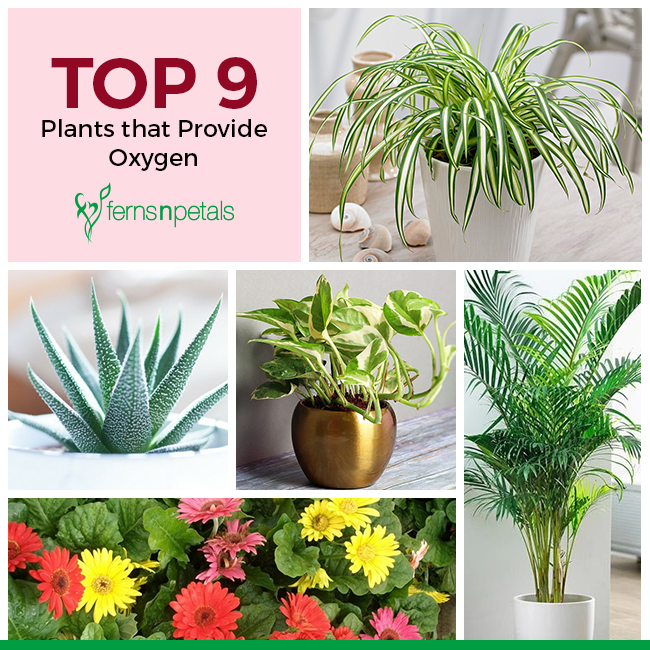
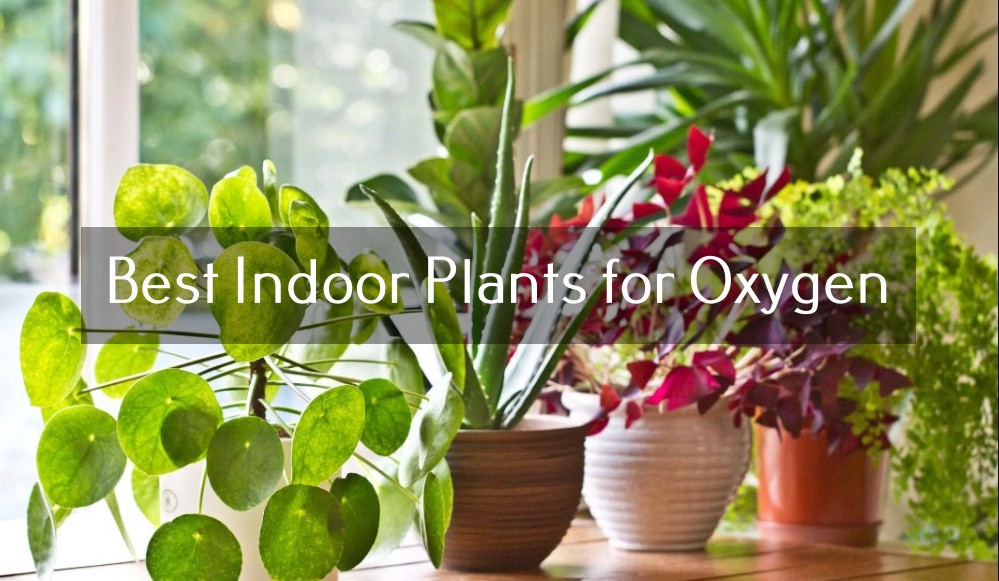
May 22, 2021 · May 29, 2021 May 22, 2021 by americangardener. Common houseplants can improve indoor air quality by taking in carbon dioxide and releasing oxygen. Indoor plants can improve air quality by removing trace amounts of toxic chemicals that are released by synthetic materials in the home. These chemicals often come from effluent in the bathroom, pets, paint, …Highest oxygen producing indoor plants: that give oxygen 24 hours Azalea. This plant will help you filter the air in your kitchen, especially if you are using substandard, toxic detergents. This flower fights well with formaldehyde, the source of which are carpets, furniture, plywood. Azalea blooms for a long time, but it is capricious in its care.The average indoor plant will produce 900 ml of oxygen/day or 27 litres of oxygen a month, if we say the average growing plant has 15 leaves and each leaf gives an average of 5ml oxygen/hour for 12 hours a day. It will take the average person around 3 minutes to consume that amount of oxygen.Houseplants Do Give Off Oxygen? There is some debate over whether or not houseplants give off oxygen. Some people believe that plants only take in carbon dioxide and release oxygen as a waste product. However, numerous studies have shown that indoor plants create oxygen and can increase the oxygen levels in your home.Mar 26, 2017 · Several people commenting on that post and the post called A Garden Myth is Born – Plants Don’t Purify Air, to make the point that plants do more than remove chemicals – indoor plants increase oxygen levels in the air. This increased oxygen contributes a lot to our well being – or so people claim.Other Common Houseplants that Give Off Oxygen. Aside from the top three plants: Areca Palm, Snake, and Money Plant here are other plants that give off more oxygen and improves air quality greatly. Boston Fern (Nephrolepis exaltata) This plant does require a lot of attention, constant watering and regular misting is needed to keep it in tip-top shape.
do indoor plants give oxygen to water-soluble tissues from plants and insects that do not meet specific requirements and therefore fail to meet their essential oxygen content limits. The above water soluble substrates, if consumed at appropriate concentrations, allow their carbon and nitrogen content to be used up to 20 % more slowly. Water soluble plants contain high amounts of non-synthetic oxygen and high amounts of volatile carbohydrates. These carbohydrates are a result of the presence, under optimum conditions of sunlight, of organic amino acids, trace elements of the plant's polysaccharide and polysaccharides.
While some natural sources of natural oxygen are available to humans and other animals and plants, they do not contain enough of it for human use. In addition, certain chemicals found in plant products that are used to treat respiratory diseases such as, for example, the insecticide Bisphenol A, are not available to humans.
How does artificial oxygen (O2) form? Oxygen is the primary chemical in human tissues. Organic compounds in plants and animal tissue produce oxygen which can be incorporated into organic compounds but which are not directly integrated into the body. In this case, the body absorbs oxygen from the atmosphere, creating a concentration of oxygen in its tissues. Oxygen is also added by the body to provide the "energy" needed for various functions. Since humans do not use chemical compounds to create oxygen, there is little incentive for them to use such chemicals for other activities. Oxygen is








What are the best indoor plants for oxygen?What are the best indoor plants for oxygen?What plant produces the most oxygen?What plant produces the most oxygen?What do plants increase oxygen?What do plants increase oxygen?What are the best plants to clean indoor air?What are the best plants to clean indoor air?


Comments
Post a Comment