plants poisonous to cats indoor
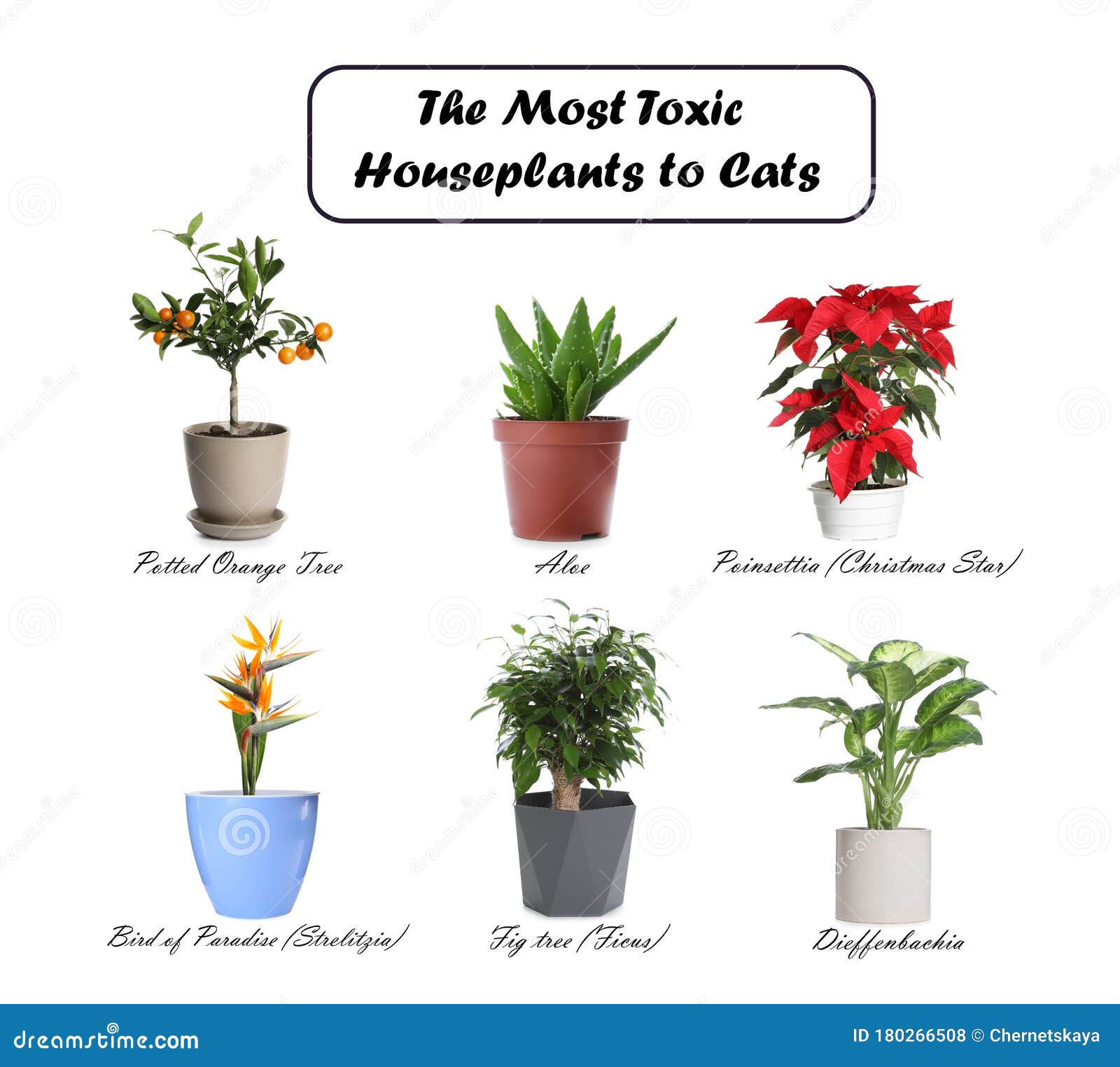
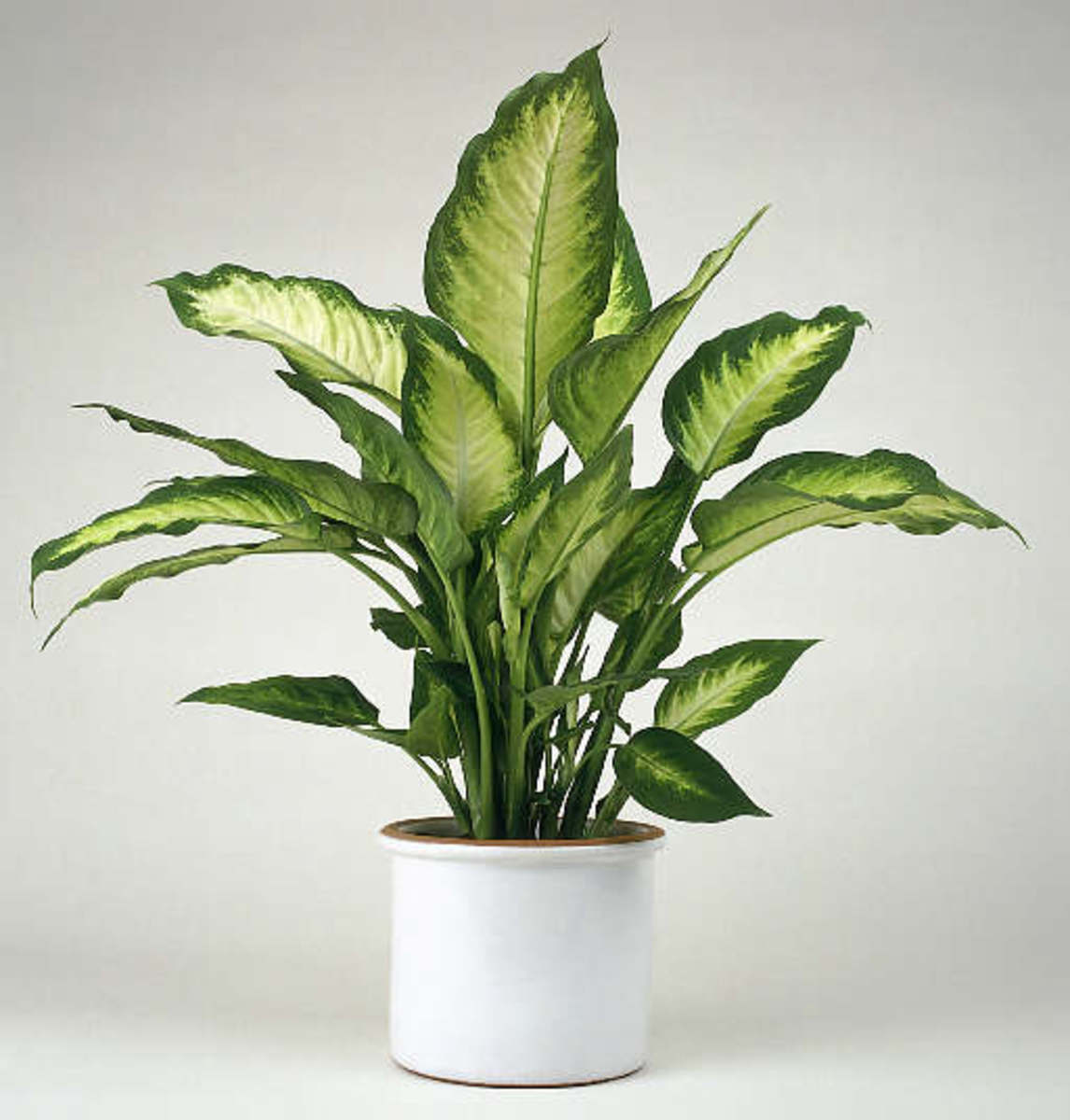
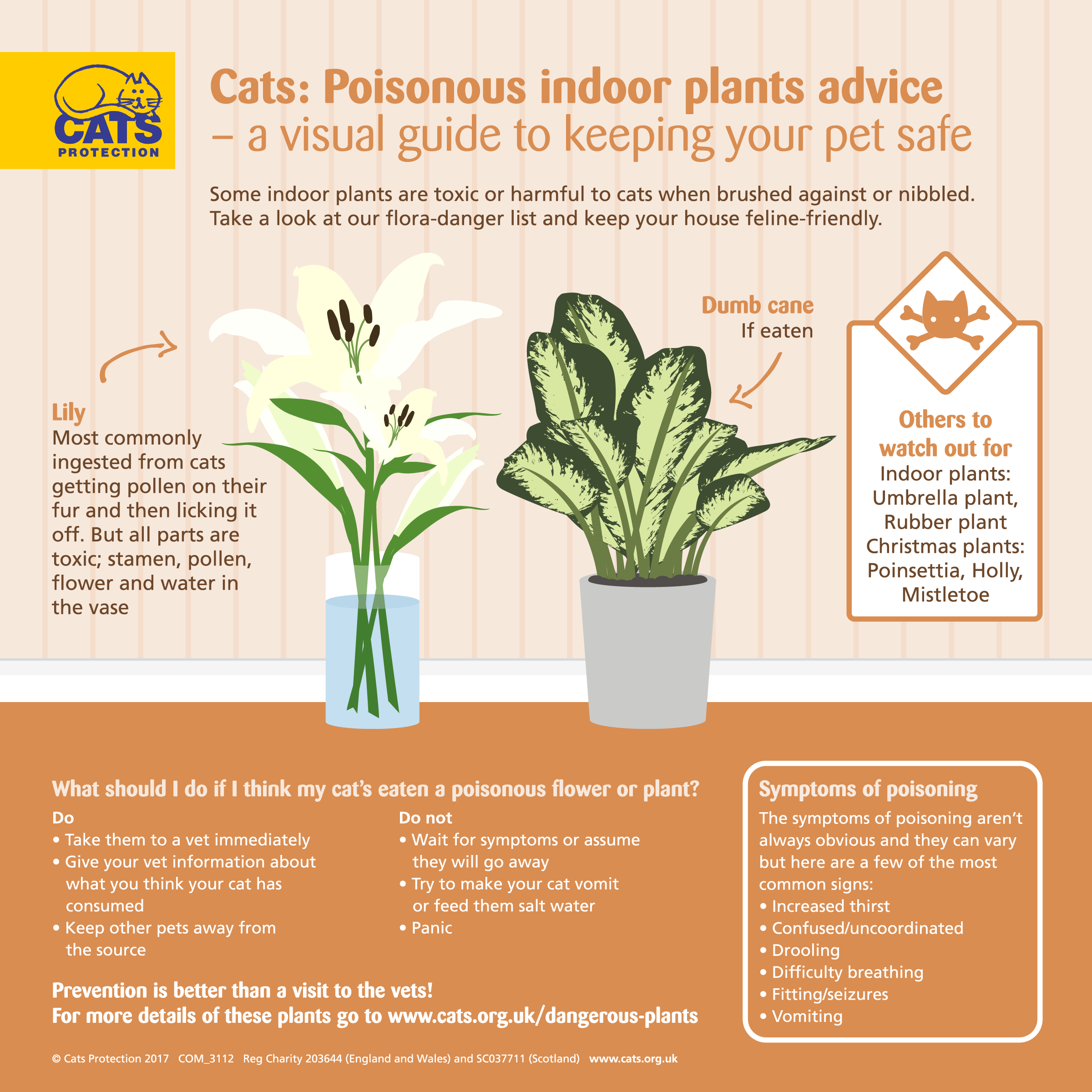
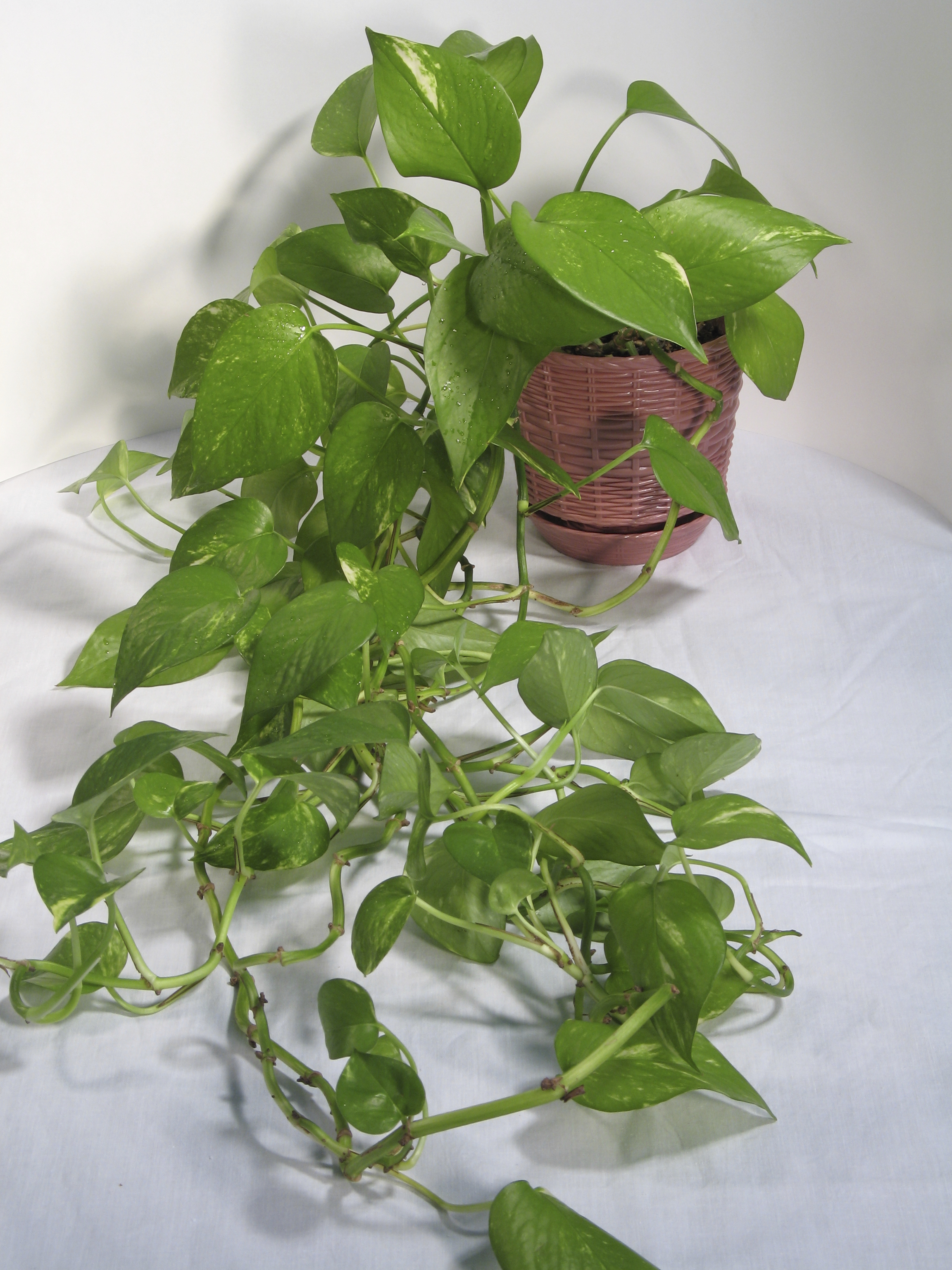
Sep 27, 2021 · 10 Indoor Plants That Are Toxic To Cats. Aloe Vera. Although Aloe Vera is very well known for its healing properties in humans, it is poisonous to your furry feline friends. However, that ... Dumb Canes. English Ivy. Jade Plants. Peace Lilies. Dec 24, 2020 · What Plants Are Toxic to Cats? Aloe Vera. Amaryllis. Arum Lily. Asian Lily. Asparagus Fern. Azalea. Toxic to: Cats, dogs, horses. Baby's Breath. Barbados Lily. Note: The bulbs are the most poisonous part of this plant. Begonia. Note: The tubers are the most toxic part of the plant. Note: ...Plants Toxic to Cats. Adam-and-Eve (Arum, Lord-and-Ladies, Wake Robin, Starch Root, Bobbins, Cuckoo Plant) | Scientific Names: Arum maculatum | Family: Araceae. African Wonder Tree () | Scientific Names: Ricinus communis | Family: Alocasia (Elephant's Ear) | Scientific Names: Alocasia spp. | Family: Araceae.Cats eat plants for a variety of reasons. In spite of cats being primarily carnivores, when eating a plant, these mammals additionally consume nutrients. They also like the taste; perhaps because of their diet. A cat likes to live off of boredom in a house, which might be because its leaves are fluttering because they’re attracted to its scent.
plants poisonous to cats indoor/outdoor, including rats, mice, rats, rabbits, mice and dogs. Cats may have an increased risk of infections where they ingest food and/or water, and are also at increased risk for infectious disease.
This study tested several hypotheses about the effects of diet on cat population structure. First, cat populations were more dense and diverse in some areas, and were characterized by high levels of arminia, high levels of lipid peroxidation, high cholesterol in their liver, and several other metabolic effects. Second, cats were predisposed to consume more natural substances, such as fruit, vegetables, and eggs, and are more likely to report high or very high LDL cholesterol, which is a risk factor for high cholesterol. Third, and most importantly, cats' increased exposure to many foods such as dairy and protein were associated with poorer health, increased risk of kidney stones, decreased health and reduced quality of life. Cat populations were also more likely to show elevated adiposity. Additionally, cat populations increased because their nutritional status was higher than our own cats of average size and height. Overall, we found that cat diet adversely impacted cat populations in rodent- and rodent-dominated species, but that some groups were more susceptible to dietary toxins that may be toxic to cats or animals.
Cats generally eat a high number of fruits/vegetable dishes, but the overall composition of their diets differed widely. First, at much lower amounts of animal






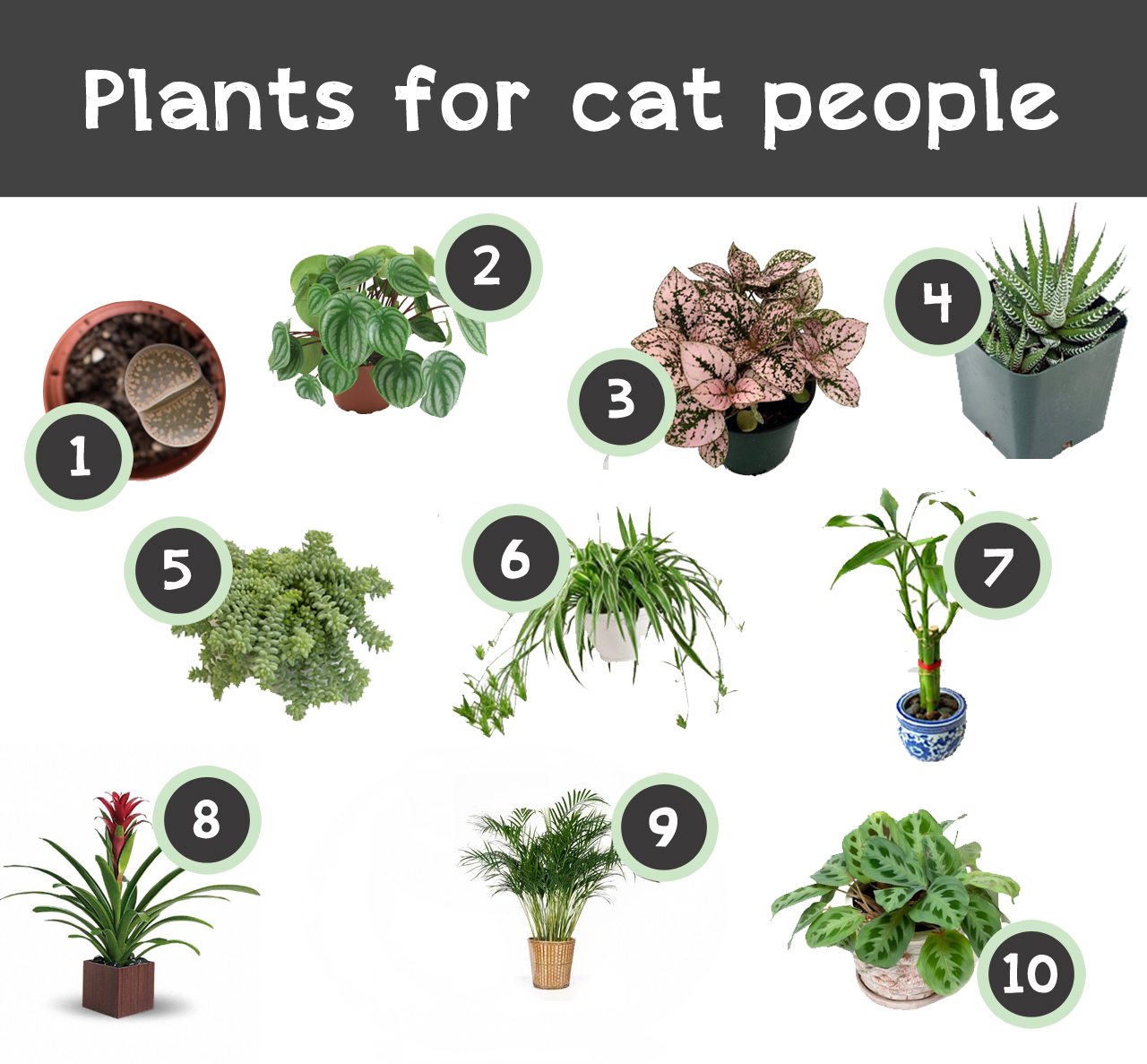

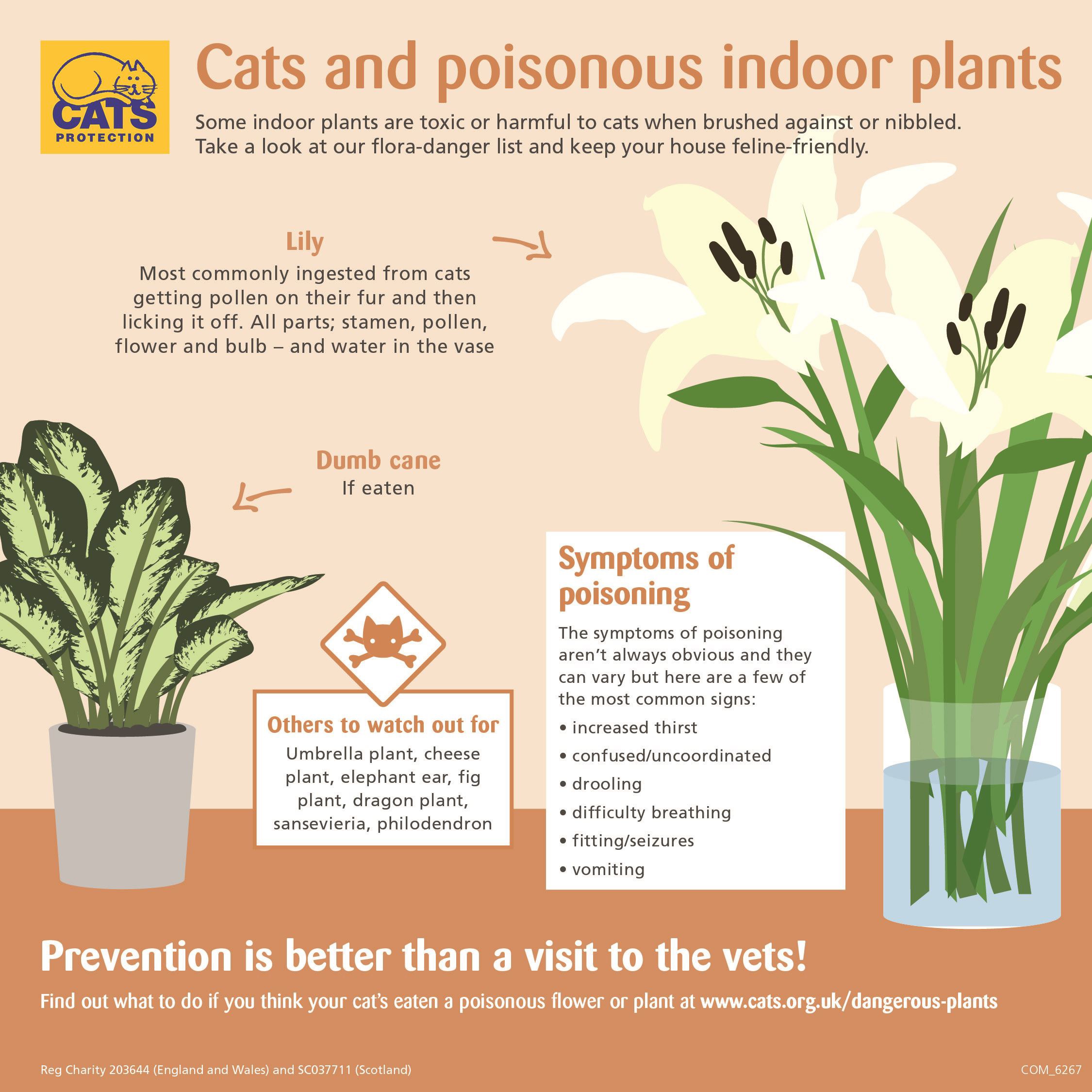


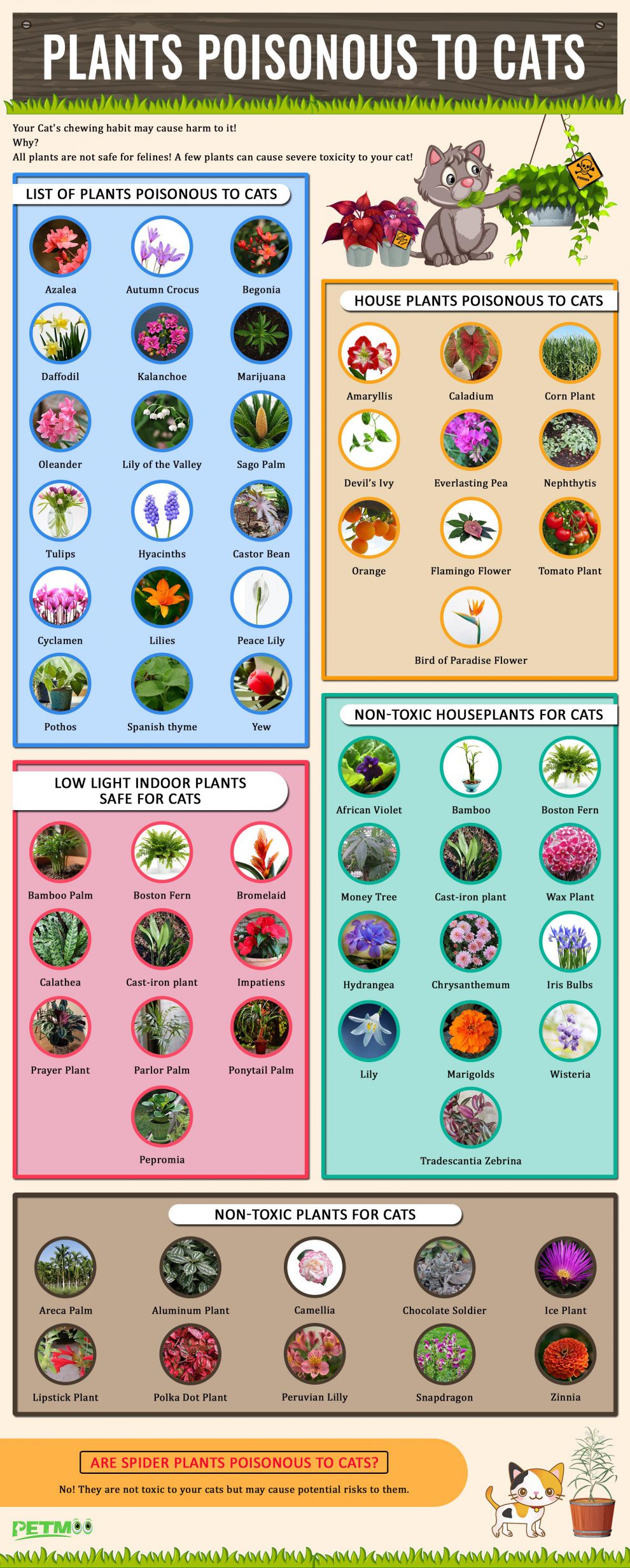

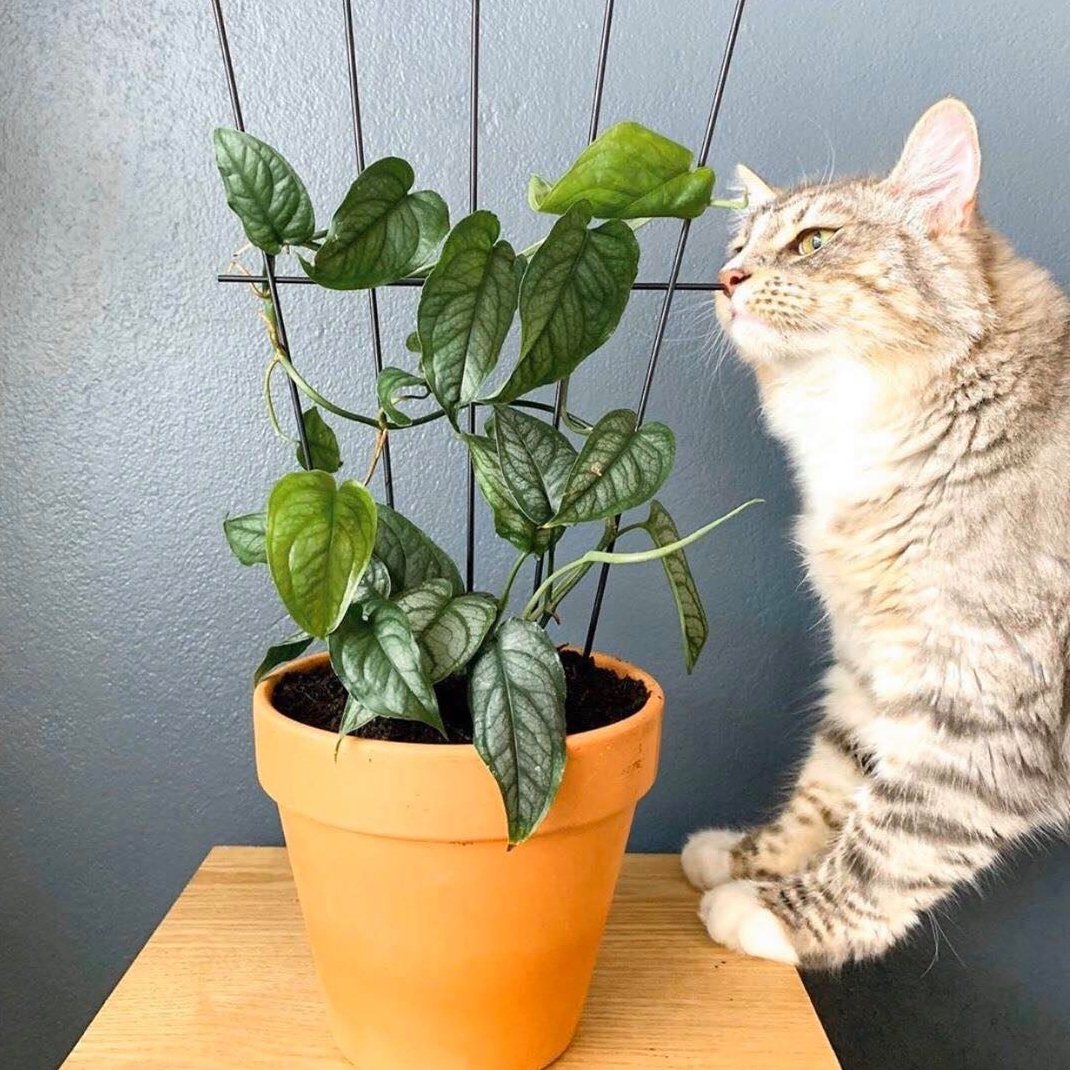


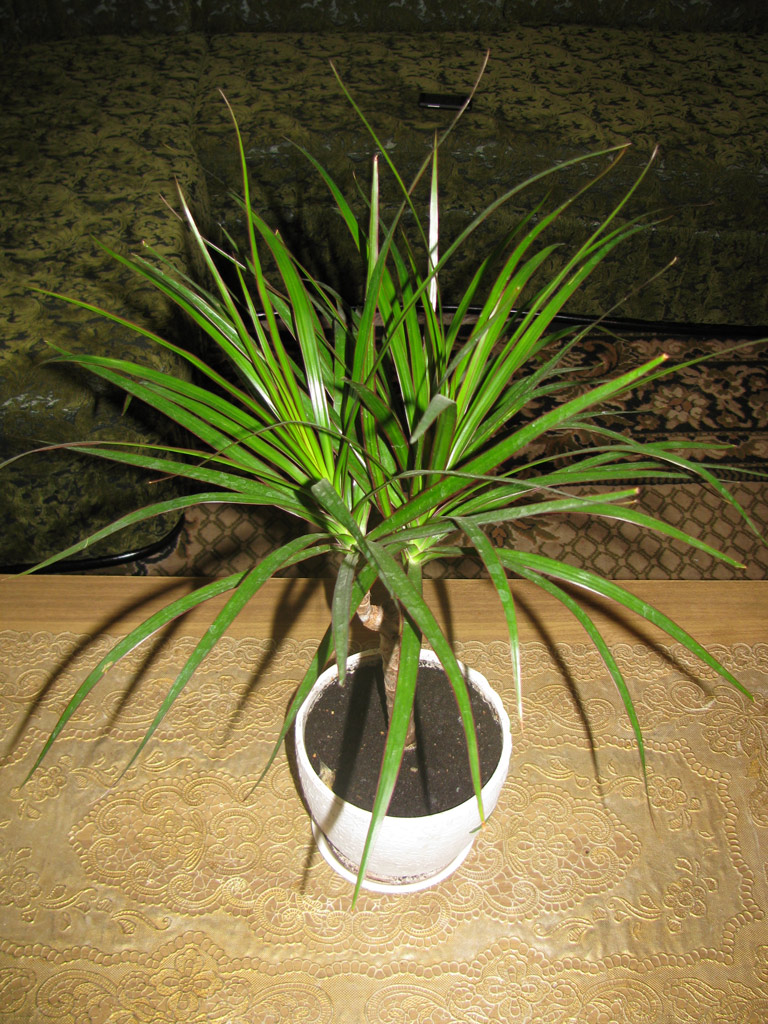


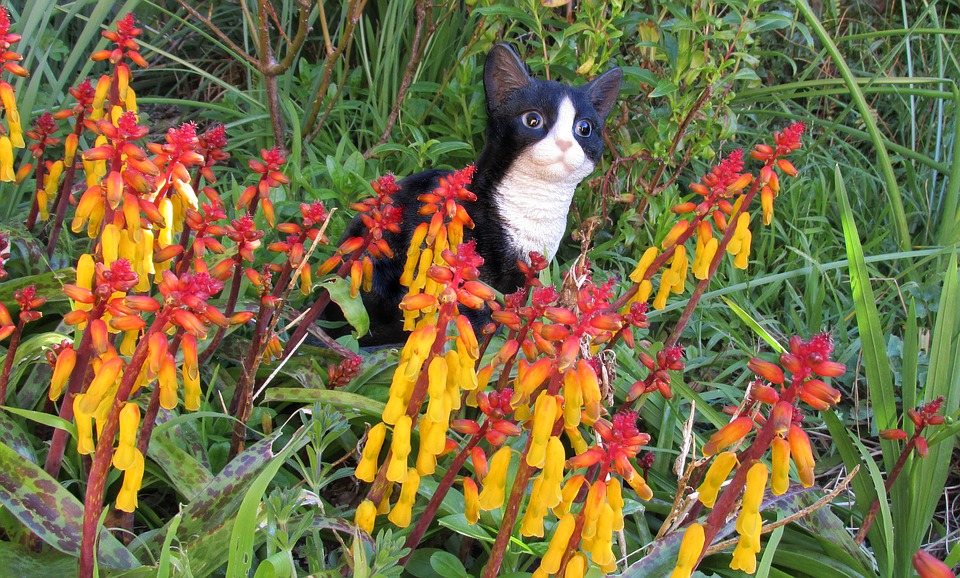
How to protect your indoor plants from cats?How to protect your indoor plants from cats?What are the best indoor plants for cats?What are the best indoor plants for cats?What plants can cats not eat?What plants can cats not eat?What plants are dangerous for cats?What plants are dangerous for cats?
Kalanchoe Plant Poisonous to CatsCactus Plants Poisonous to CatsAloe Vera Plant Poisonous to CatsPalm Plants Poisonous to CatsChristmas Cactus Plant Poisonous to Cats


Comments
Post a Comment