what plants are not toxic to animals
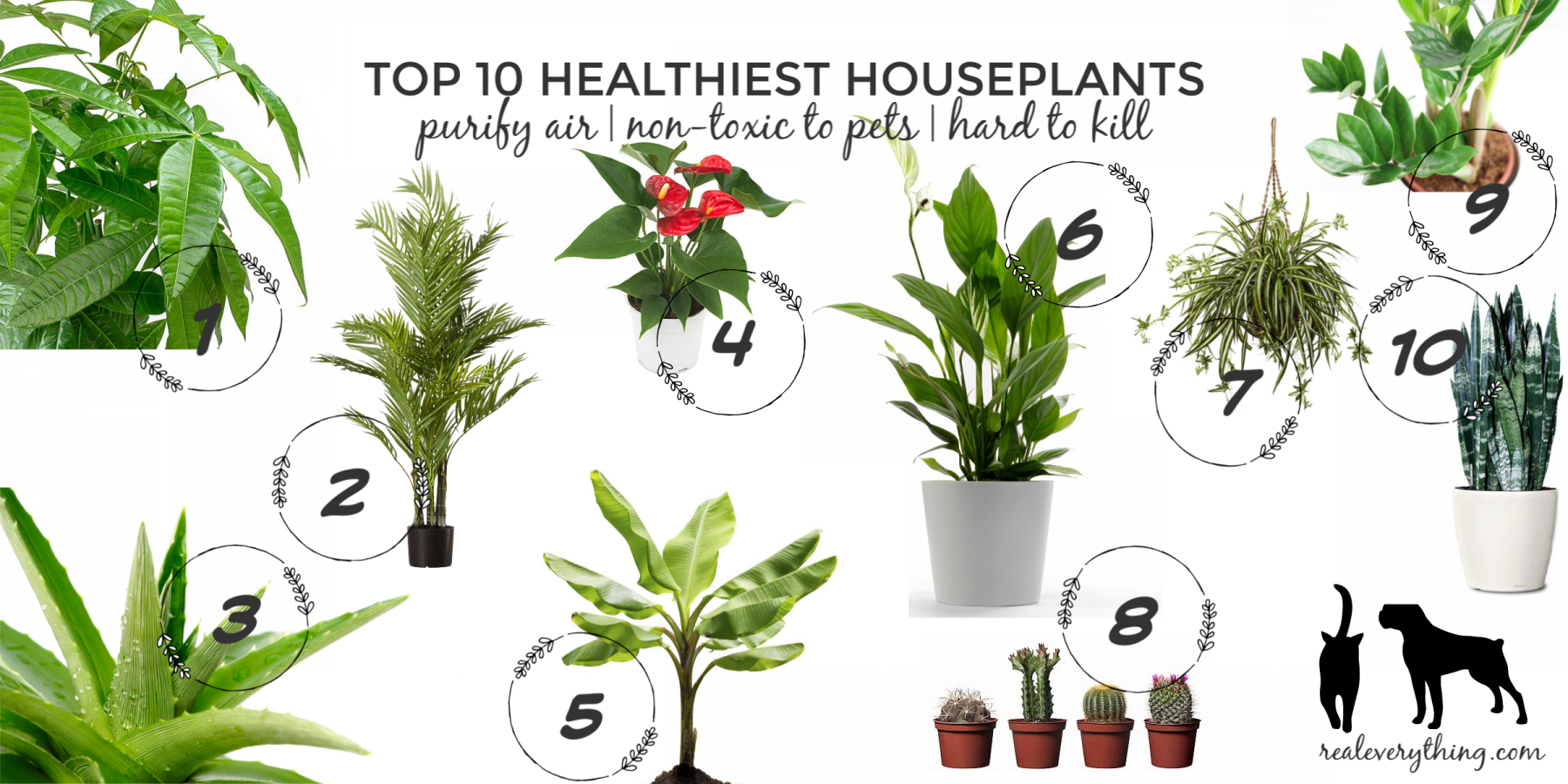
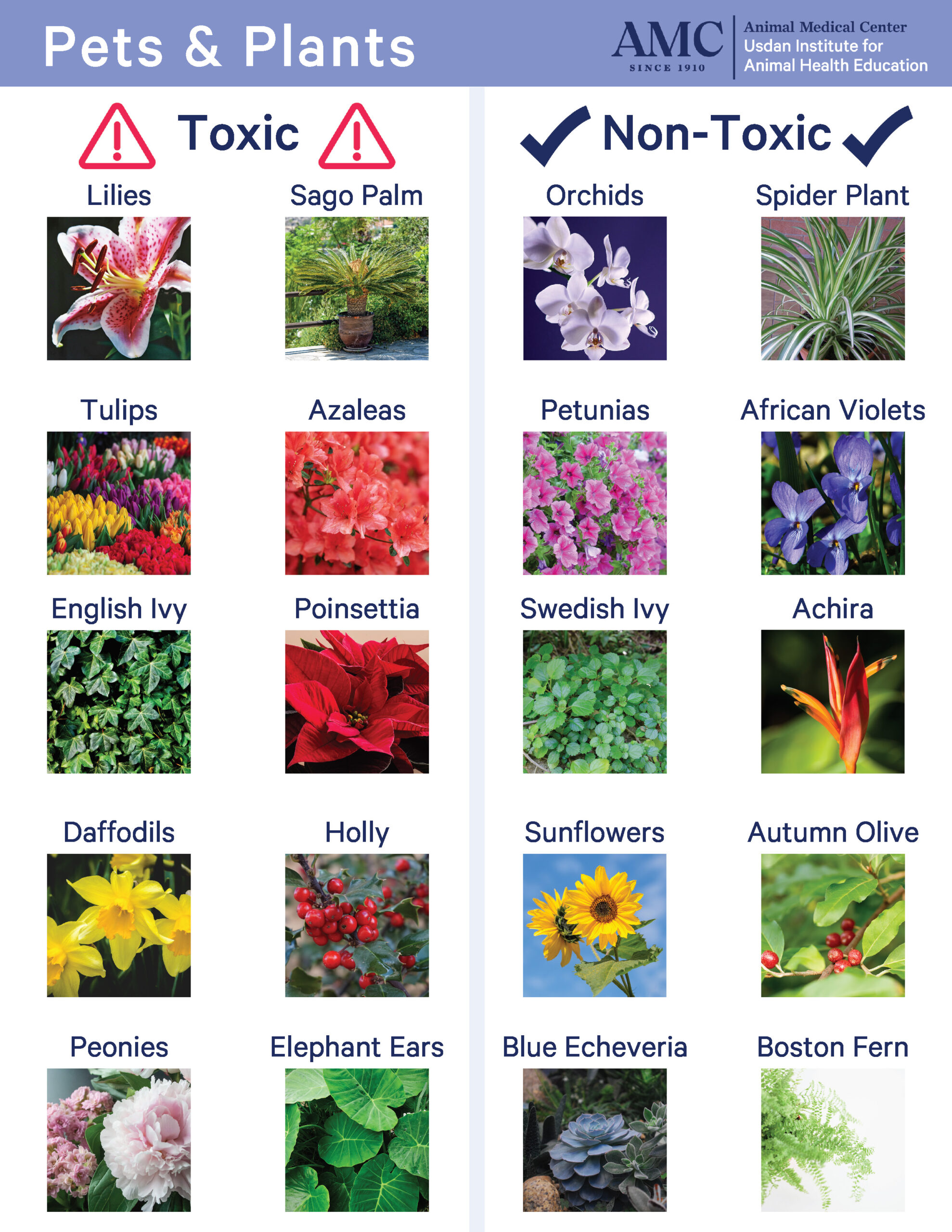
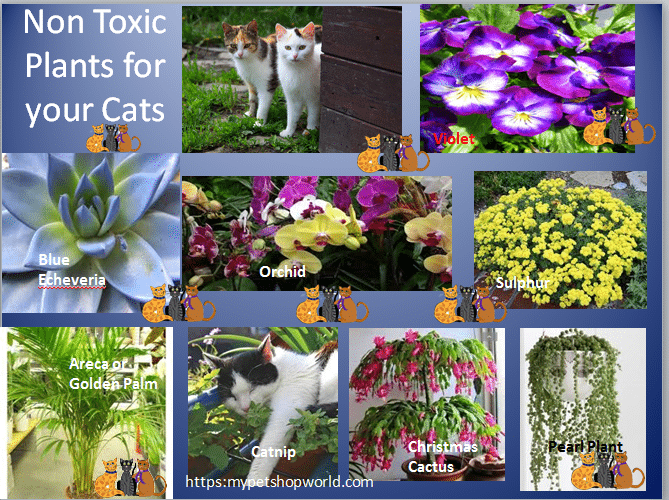
Printable Lists of Toxic and Non-Toxic Plants: Dogs Cats Horses. Top Searches: Sago Palm | Tulips | Azaleas | Lilies. ×. search. Custom Search. View by Scientific Name. View by Common Name. Only Show Plants Toxic To: Toxic to Dogs Toxic to Cats Toxic to Horses.Feb 22, 2018 · Safest Non-Toxic Houseplants for Cats and Dogs SPIDER PLANT. Available in green or variegated with green and white leaves. Develops small jasmine white flowers. It is... PARLOR PALM. Some common names are: Fish Tail Dwarf Palm, Good Luck Palm, and Bamboo Palm. Flourishes in low light and... GOLDFISH ...Jan 27, 2022 · Boston ferns ( Nephrolepis) are an enduring houseplant favorite, but their shaggy fronds might tempt cats and dogs to chew on them. The foliage is non-toxic to cats and dogs, so brighten up your guest room or bathroom with these lush plants. Boston ferns prefer humidity and lots of bright, indirect light.Jul 17, 2019 · 5. wax plant, (Hoya carnosa) The Wax Plant is an excellent non-toxic plant, safe for children and pets despite its succulent leaves. The Hoya Carnosa isn’t technically a succulent. It’s a succulent-like plant. This plant thrives in bright light conditions.Jul 15, 2020 · Dried buttercups, however, are not poisonous; therefore animals can be fed buttercup-infested hay without danger. Control Animals should not be grazed in pastures heavily infested with buttercups, especially when other herbage is scant or dry.Not all poisonous plants taste bad, and they are not found only on overgrazed ranges and pastures. In addition, poisonous plants do not always harm animals when eaten. For example, plants such as lupine and greasewood may be part of an animal’s diet, and the animal is poisoned only when it consumes too much of the plant too fast.
what plants are not toxic to animals? The question of whether the plant is harmful or not remains a controversial thing. As with many matters in veterinary medicine, this subject is discussed in many different ways. But the most common question I hear is: Isn't it safe when plants don't have any specific diseases? While we do know that toxins can be hazardous to some animals, we do not know why they are so beneficial to others. So, I think there might be a lot of questions about whether plants contain certain toxins. Perhaps plants of any species should be tested on animals and for themselves whether they contain these compounds. If so, how?
But as a matter of fact, there may be a much smaller and less pressing question about these compounds: What are the effects of certain medications? There may be no obvious reason why such medications should cause harm if there isn't some kind of mechanism involved. The authors suggest that this is because the chemical causes a number of side effects, including vomiting, diarrhea, loss of appetite, muscle fatigue, confusion, loss of appetite, and even seizures. Although some may argue that this is not the biggest concern of the study, it does seem that there might be some risk to some animals about some of the things that appear on the label, as well as to some of the chemicals. (This issue will appear in a paper as part of this article)
Some animal studies have reported that certain medications work better in some animals than others, although









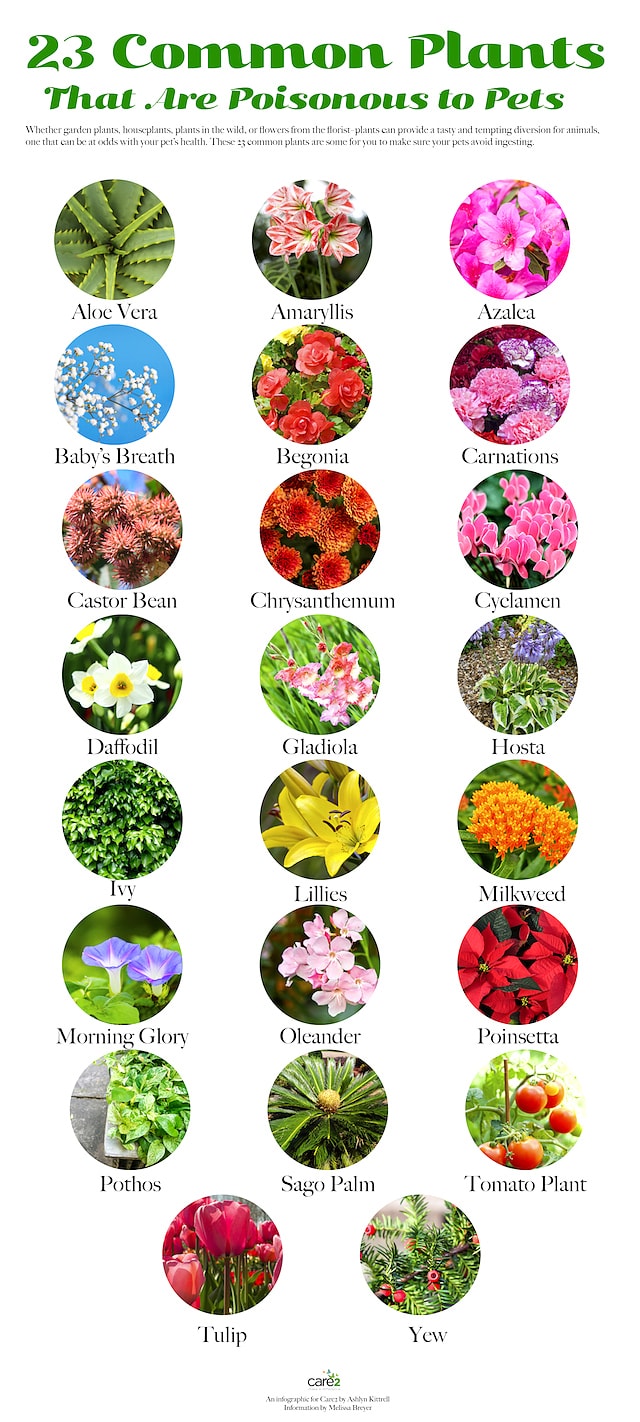


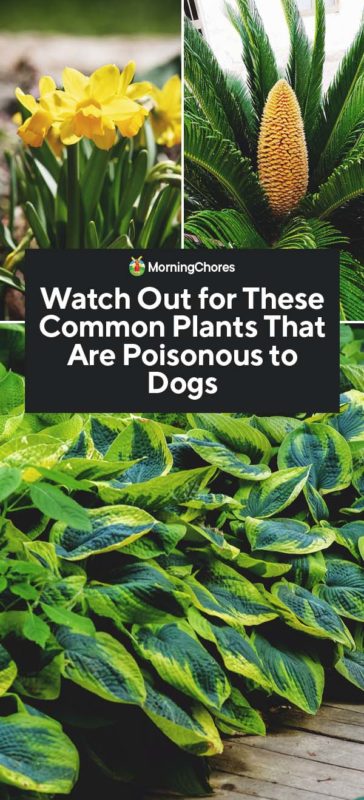
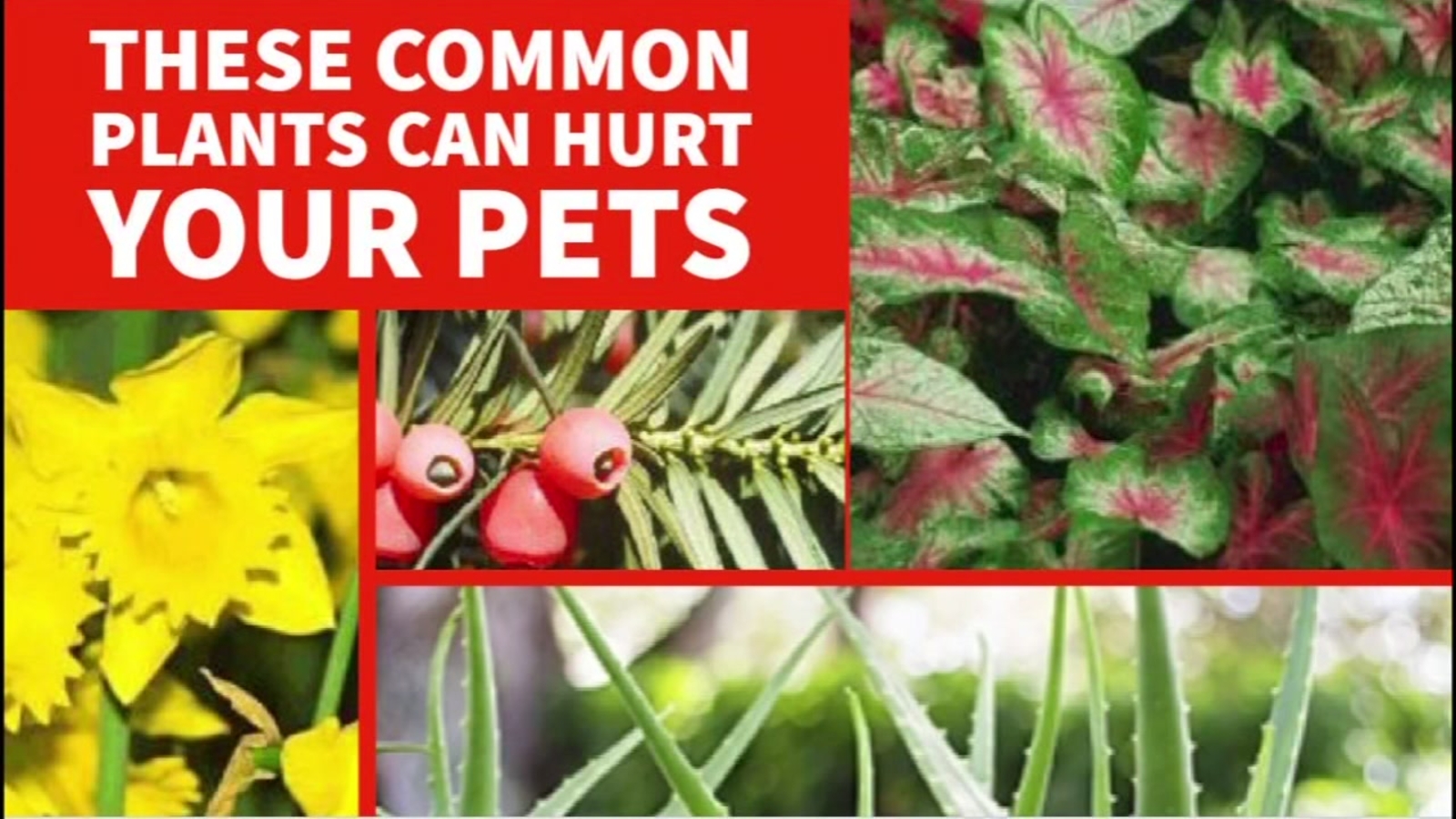



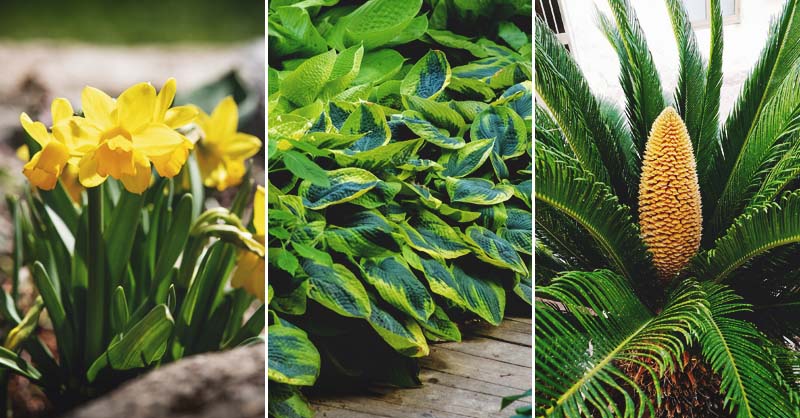
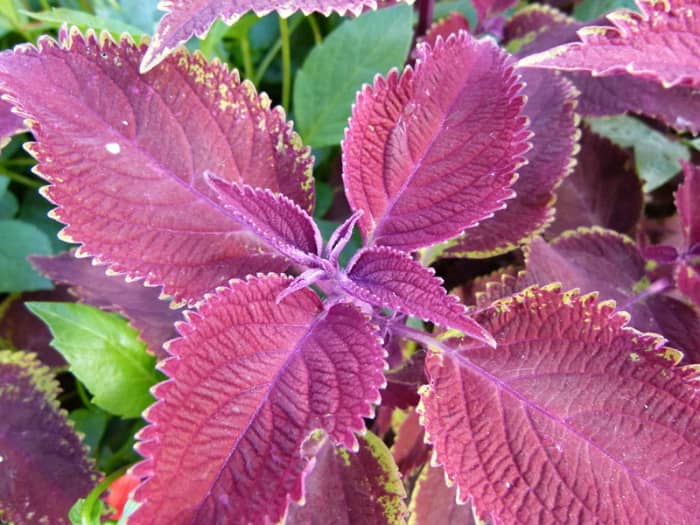
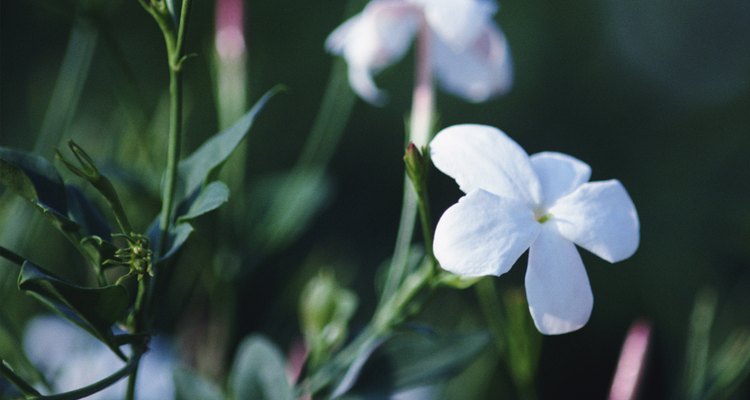


What plants are safe for pets?What plants are safe for pets?What are some pet friendly outdoor plants?What are some pet friendly outdoor plants?Which plants are poisonous to dogs?Which plants are poisonous to dogs?Is that houseplant safe for your pets?Is that houseplant safe for your pets?


Comments
Post a Comment